Linguistic Association of Pakistan

ICLAP
2026

12th International Conference
Bahawalpur, Pakistan

✦   📢 SHORT PROGRAM NOW AVAILABLE – VIEW AT A GLANCE   ✦   DETAILED PROGRAM & SCHEDULE COMING SOON   ✦   Conference Dates: March 25–27, 2026   ✦   Bahawalpur, Pakistan   ✦   Registration Open at cportal.iclap.org   ✦   📢 SHORT PROGRAM RELEASED – CHECK SESSIONS & TIMINGS   ✦   Conference Dates: March 25–27, 2026   ✦   Bahawalpur, Pakistan   ✦   Registration Open at cportal.iclap.org
12th International Conference · LAP

Welcome to
ICLAP 2026

March 25–27, 2026 · Bahawalpur, Pakistan

Register Now
Conference Theme 2026

Digitalisation of Indigenous Languages

Challenges and Innovations

Hosted by Dept. of English · GSCWU Bahawalpur

Submission Process

Abstract Submission Steps

1. Add ProfileCreate your participant profile before submitting.
2. Submit AbstractONE author only. Add co-authors after approval.
3. Submit RevisionFollow reviewer comments if requested.
4. Presenter InfoAdd team details after abstract approval.
5. Upload PaymentUpload fee receipt (PDF or Image).
6. Upload SlidesSubmit PPT/PDF presentation files.

+92 316 7685667  |  itsystemslap@gmail.com

Conference Venue

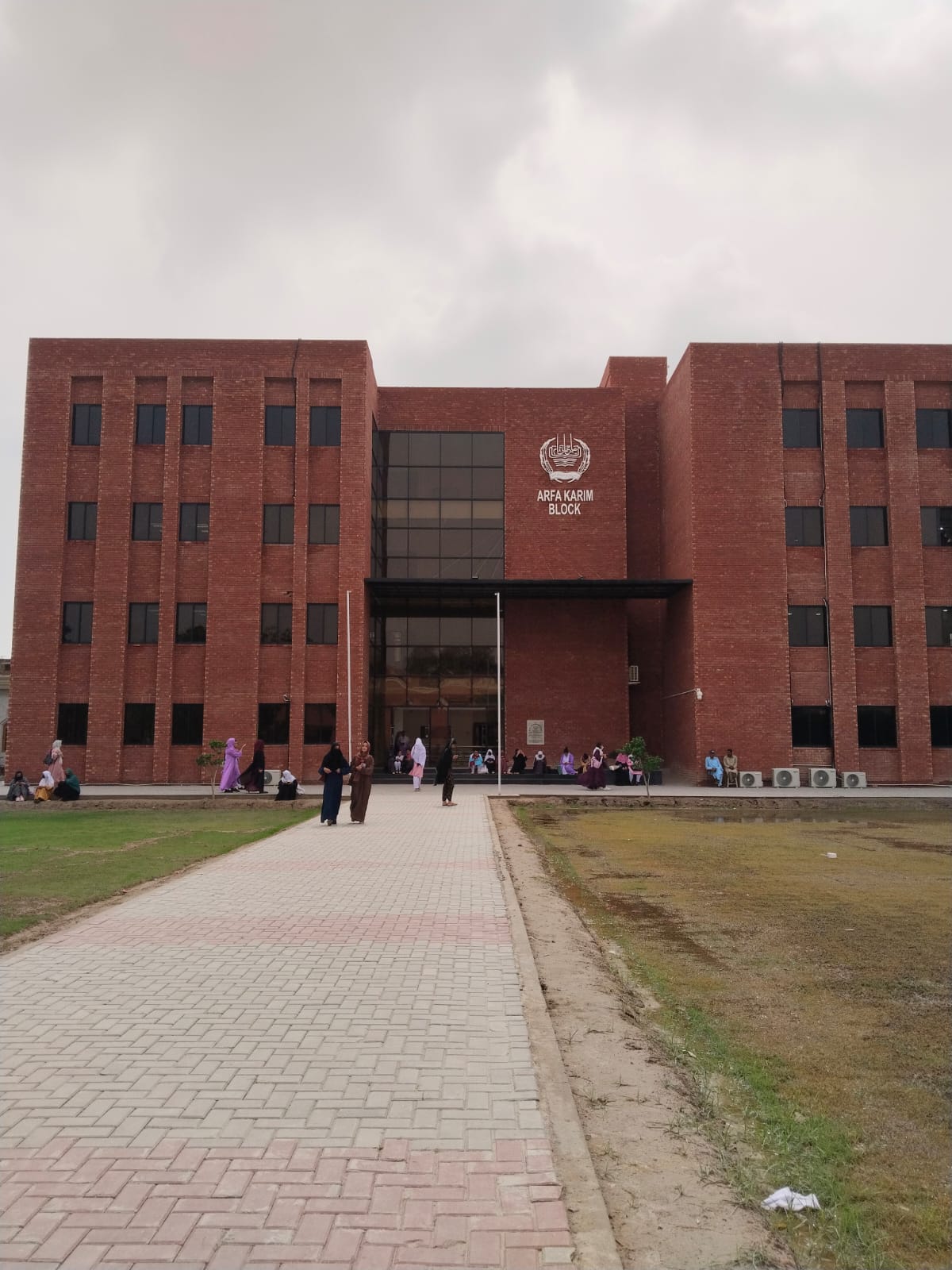
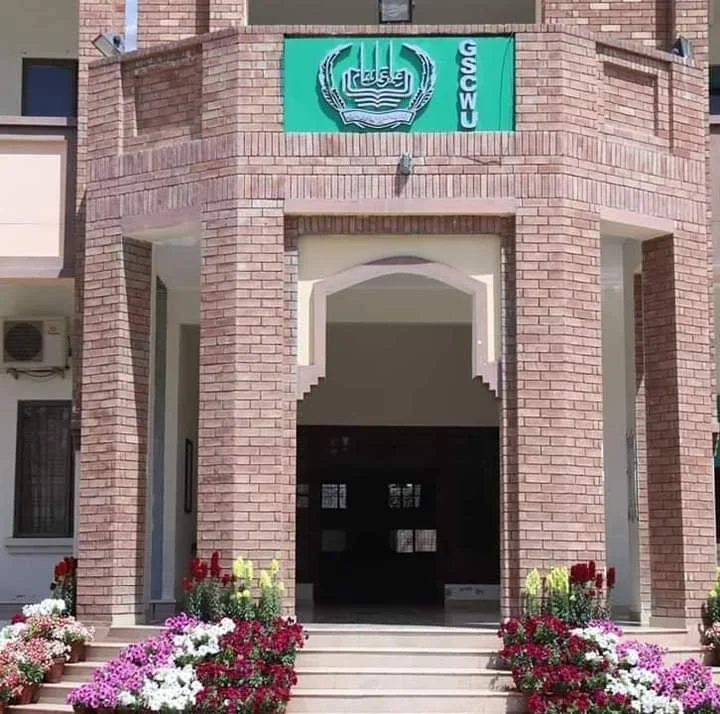
GSCWU,
Bahawalpur

The Government Sadiq College Women University offers modern conference facilities in the historic heart of Bahawalpur.

Bahawalpur, Punjab, Pakistan

View on Maps
GSCWU Campus

Main Theme

Digitalisation of Indigenous Languages

Dates

March 25–27, 2026

Location

Bahawalpur, Pakistan

Hosted By

Dept. of English, GSCWU Bahawalpur

Proposal Deadline

January 10, 2026

Audience

Researchers, Faculty & Students

Organizing Leadership

Conference Leadership

Guiding ICLAP 2026 with vision and excellence
Patron-in-Chief
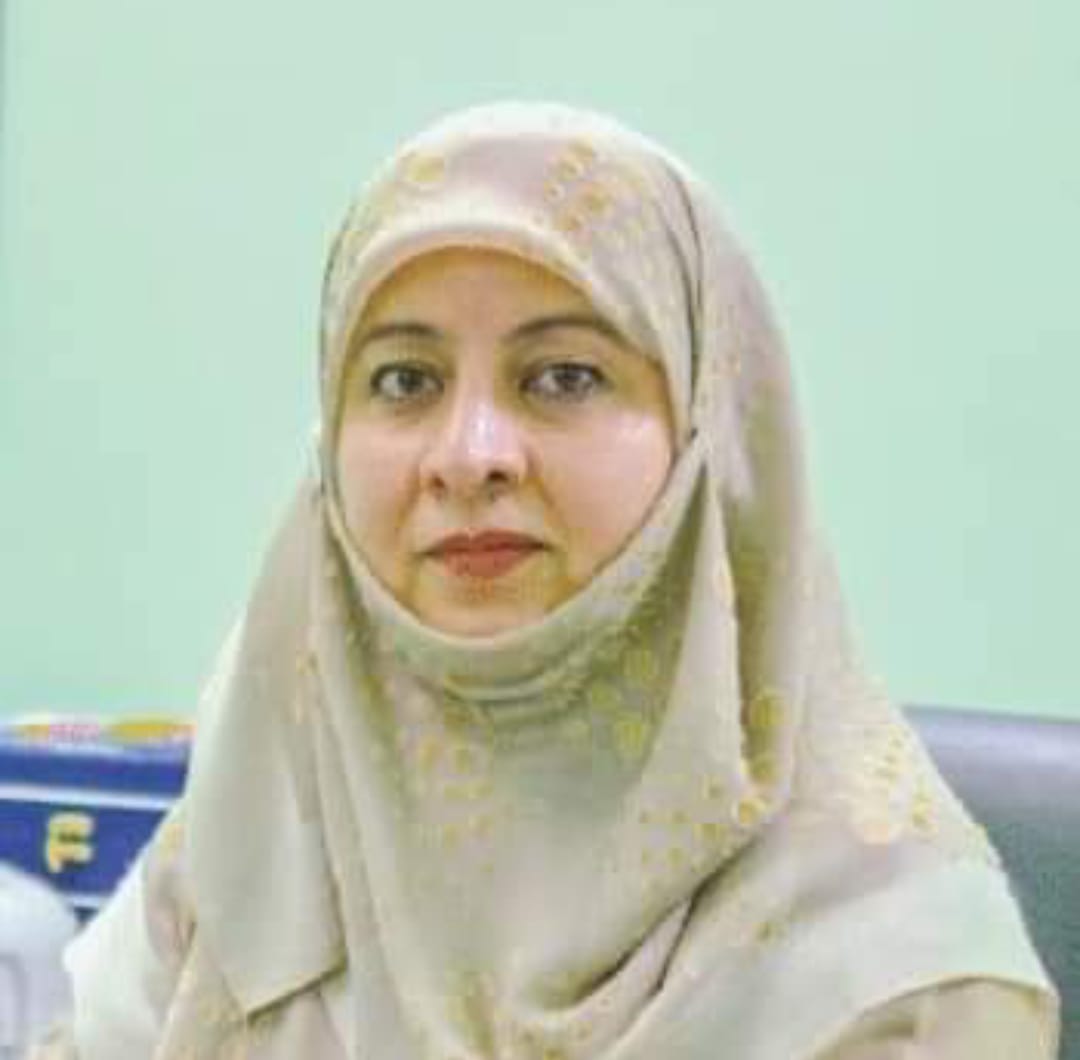
Patron-in-Chief

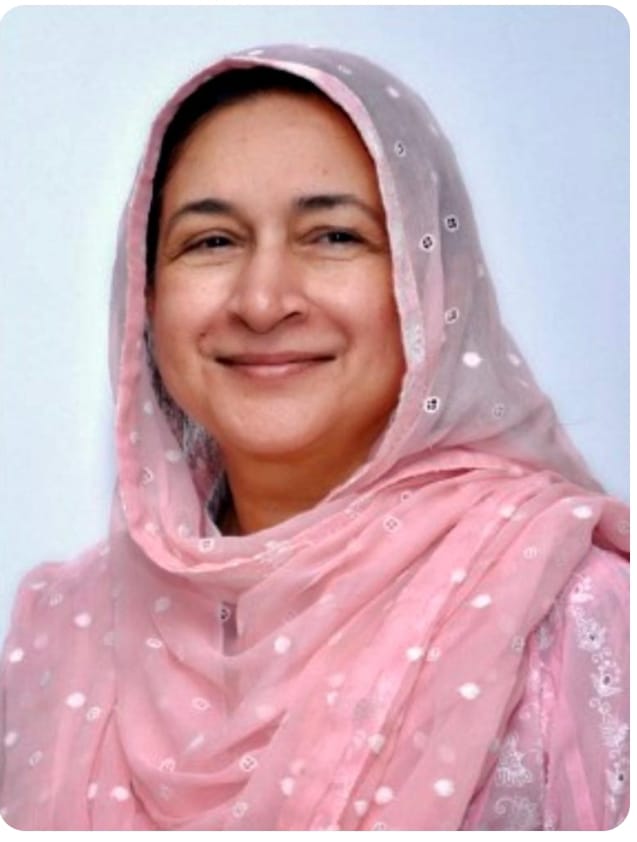
Prof. Dr. Shazia Anjum

Vice Chancellor
GSCWU Bahawalpur
Conference Convenor
Conference Convenor

Prof. Dr. Musarrat Azher

Dean, Faculty of Arts & Social Sciences
GSCWU Bahawalpur
Co-Convenor
Co-Convenor

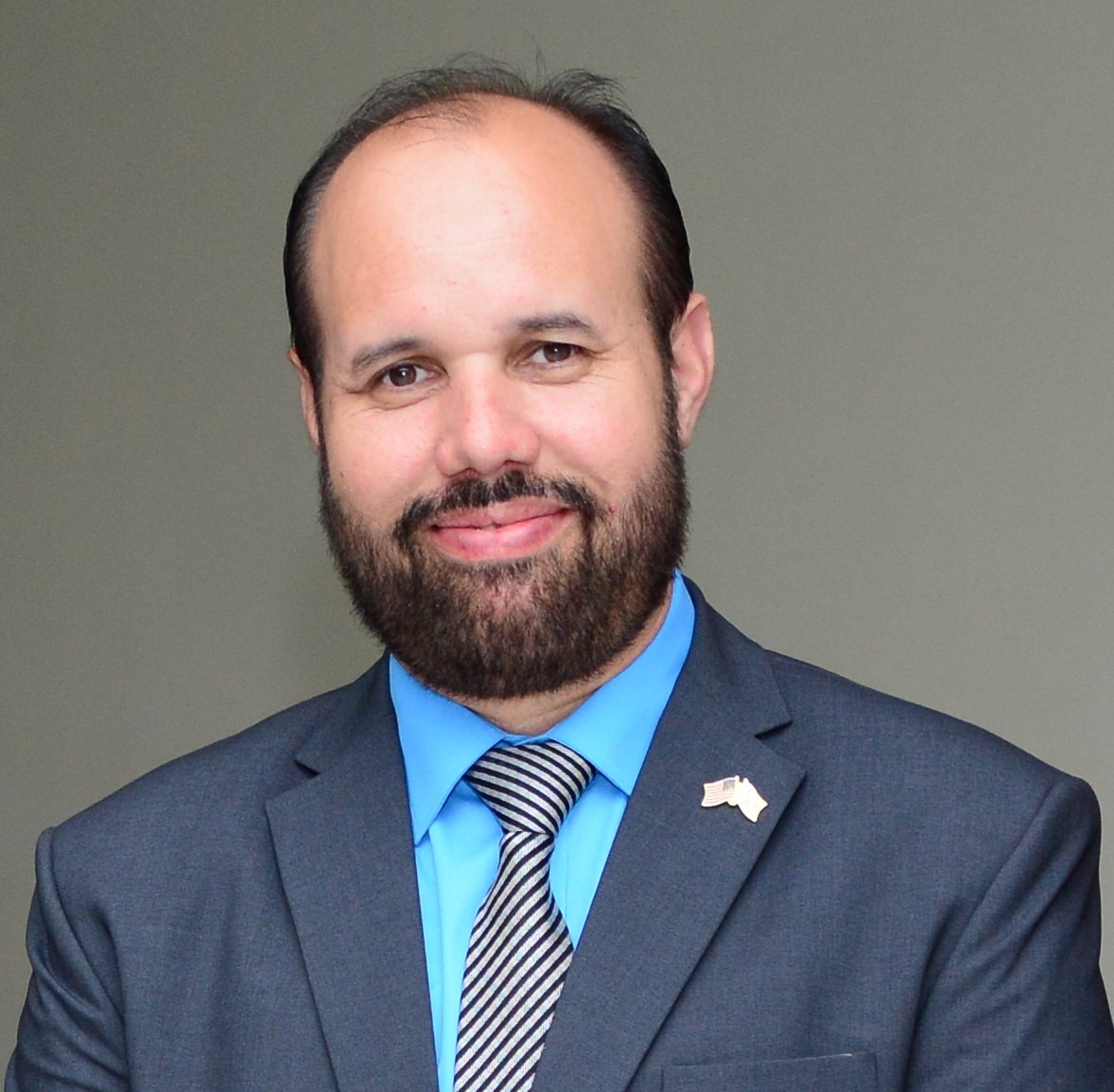
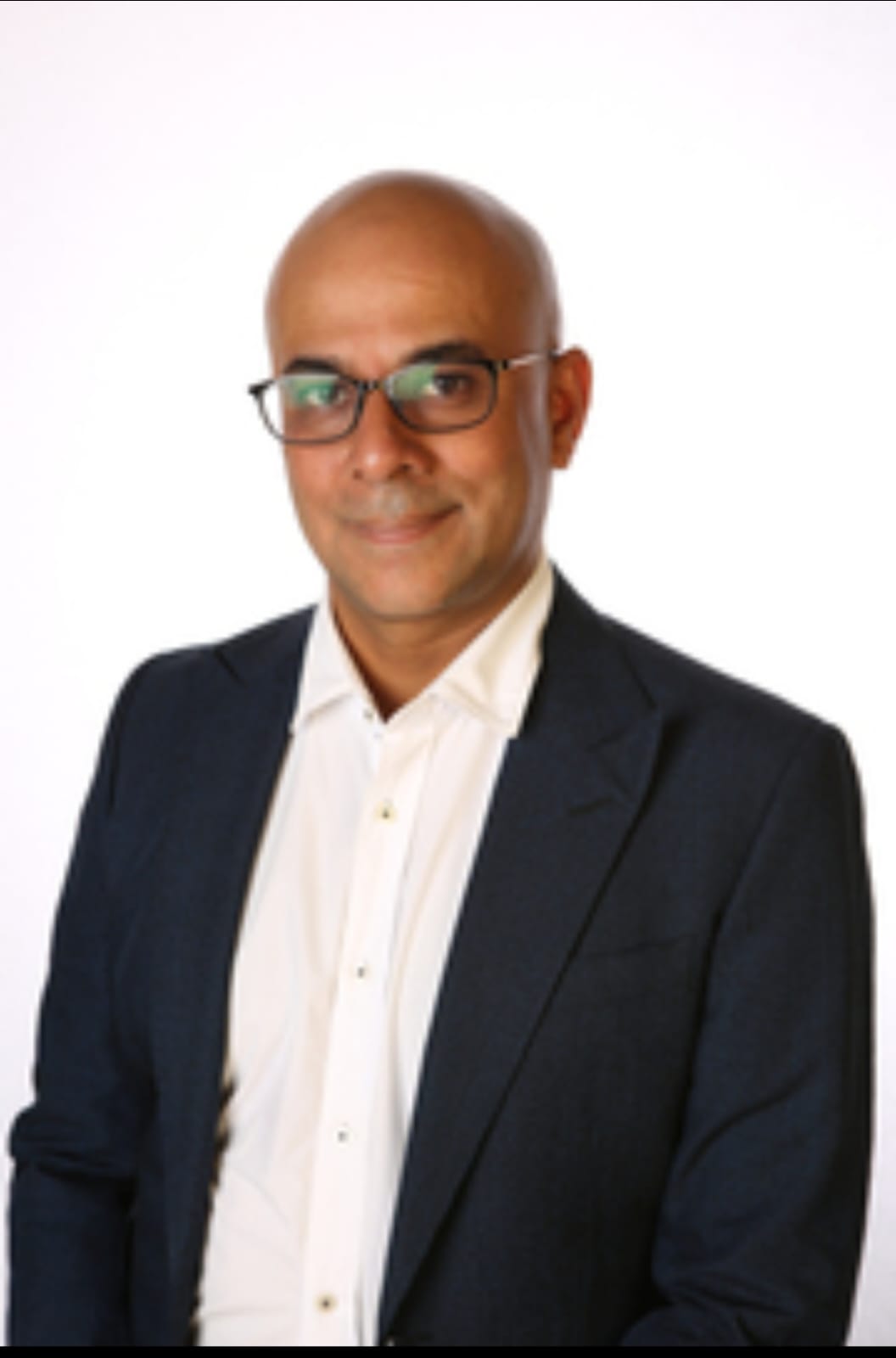
Prof. Dr. M. Asim Mehmood

Chairperson, Dept. of Applied Linguistics, GCU Faisalabad
Executive Director, Conferences LAP
About ICLAP

Introduction

12th International Conference of the Linguistic Association of Pakistan

The Department of English, Government Sadiq College Women University, Bahawalpur is honored to host the 12th International Conference of the Linguistics Association of Pakistan (ICLAP 2026), scheduled for March 25–27, 2026. This is for the very first time that the university is hosting this prestigious event.

ICLAP 2026 looks forward to convening distinguished linguists, academics, technology experts, and professionals from around the globe and across Pakistan. The conference program will feature keynote and plenary sessions, technical lectures, workshops, panels, colloquia, paper presentations, and a book launch, along with cultural festivities — providing a comprehensive platform for knowledge sharing, collaboration, and learning.

About ICLAP

Aims of ICLAP 2026

ICLAP 2026 aims to bring together linguists, educators, and technologists from across the globe to discuss the challenges and possible innovations in the digitalization of indigenous languages.

The conference seeks to advance research in AI-driven language technologies, promote sustainable practices for documenting and revitalizing endangered and indigenous languages, and examine how digital tools can be exploited for the preservation of cultural identity through technological advancements.

It further aims to strengthen multilingual and indigenous language education through digital tools, critically engage with the politics of linguistic rights and equitable access, and reflect on the evolving role of linguistics in the age of AI.

By fostering inclusive communication, accessible digital platforms, and international collaboration, the conference aspires to support a linguistically just, technologically progressive, and socially sustainable future for indigenous language communities across the globe.

About ICLAP

Target Audience

ICLAP 2026 invites academicians, researchers, linguists, professionals and post/graduate students from a variety of disciplines from across the country and beyond. We encourage participation and presentations focusing on cross-disciplinary and multidisciplinary ideas specifically pertaining to the integration of technology and indigenous languages and generally to:

Languages and Literature
Theoretical & Applied Linguistics
Sociolinguistics
Psycholinguistics
Humor Linguistics
Language Education & Literacy Studies
TESOL
Education
Higher Education
Computer Science
Artificial Intelligence
Educational Technology
Computational Linguistics
NLP
Translation & Interpreting Studies
Anthropology
Public Policy
Gender Studies
Media Studies
Sociology
Media & Discourse
Development Studies
Community Development
Speech Recognition & Assistive Technologies
Communication Studies
Cyber-Linguistics & Online Communication
Migration Studies
About ICLAP

Conference Themes

The proposed themes include, but are not restricted to:

1Digitalization and Indigenous Cultural Identity

  • Digitalization and Preservation of Indigenous Cultural Identity
  • Storytelling as a Tool for Preserving Indigenous Identity
  • Online Representation of Indigenous Languages in Social Media Communities
  • Intergenerational Knowledge Transfer Through Digital Archives and Apps
  • The Role of Digital Literature and Film in Revitalizing Indigenous Languages
  • Hybrid and Exophonic Writing Practices in Digitally Mediated Indigenous Literatures
  • Gendered Expressions of Indigenous Identity in Digital Spaces

2Artificial Intelligence and Indigenous Language Education

  • AI-Based Learning Platforms for Teaching Indigenous Languages
  • Developing Speech-to-Text & Text-to-Speech Models for Low-Resource Indigenous Languages
  • EdTech Solutions for Indigenous Language Education in Remote and Rural Regions
  • NLP-Assisted Creation of Indigenous Language Textbooks and Learning Content
  • The Role of Neurolinguistic Programming in Indigenous Language Acquisition
  • Assistive Technologies for Inclusive Indigenous Language Learning

3Language Policy, Linguistic Rights, and Governance in the Digital Era

  • Digital Language Policy: Ensuring Indigenous Language Access in Online Platforms
  • Governance Models for Integrating Indigenous Languages into Digital Public Services
  • Legal Frameworks for Indigenous Linguistic Rights in the Digital Age
  • Evaluating Digital Curriculum Policies for Indigenous Language Inclusion
  • Power Structures and Ideologies in Digital Language Policies
  • AI-Driven Interventions for Strengthening Linguistic Justice
  • Language Policy and Planning for Education and Linguistic Equity
  • Case Studies on Pakistan’s Linguistic Landscape
  • National and Institutional Strategies for Linguistic Resources
  • Policy Frameworks for Digitally Preserving Linguistic Diversity
  • The Role of AI in Facilitating Linguistic Justice and Access

4Digital Preservation and Sustainability of Endangered/Indigenous Languages

  • Developing Digital Corpora for Endangered Indigenous Languages
  • Balancing National Language Promotion with Minority Language Preservation
  • Digital Tools for Translation and Cross-Cultural Collaboration
  • Community-Led Approaches Using Mobile Technologies
  • Digital Lexicography and Online Indigenous Dictionaries
  • Eco-Linguistics and Digital Sustainability
  • AI Techniques for Phonological and Morphological Analysis
  • Technology-Based Strategies for Language Revitalization
  • Making Digital Spaces Inclusive for Marginalized Groups

5Digital Accessibility, Economic Empowerment, and Indigenous Languages

  • Multilingual AI Translation Tools for Economic Participation
  • Digital Entrepreneurship for Indigenous Language Communities
  • Enhancing Workforce Skills Through Indigenous-Language Platforms
  • Reducing the Digital Divide Through Accessibility Solutions
  • Indigenous Languages in Digital Financial & E-Governance Systems
  • Inclusive Digital Services for Low-Literacy Populations
  • Language & Misinformation Challenges
  • Cyber-Linguistics in Digital Interactions
  • Pakistani Indigenous Languages in the Digital Age

6Digital Sociolinguistics and Power Dynamics

  • Impact of Social Media on Indigenous Languages
  • Cyber-Linguistics: New Indigenous Digital Communication
  • Indigenous Voices in Digital Activism
  • Digital Misinformation Dynamics in Communities
  • Changing Linguistic Norms in Online Environments
  • Digital Ethnography of Indigenous Virtual Communities

7Multilingual Pedagogy and Indigenous Language Integration

  • Integrating Indigenous Languages into Digital Multilingual Classrooms
  • Translanguaging Practices in Online Education
  • TESOL Approaches for Indigenous and Multilingual Learners
  • Recognizing Indigenous Varieties in Global Englishes
  • Bilingual and Heritage Language Education via Digital Tools
  • Emotional & Identity Impacts of Digital Language Learning

8Interdisciplinary Pathways: Language, Technology, and Sustainable Development

  • Digital Health Communication Systems Supporting Indigenous Languages
  • Ethical AI Design for Indigenous Communities
  • Indigenous Language Integration for Migrants and Displaced Groups
  • Urban-Rural Linguistic Sustainability Through Technology
  • Cross-Sector Collaborations for Digital Development
  • Preserving Cultural-Ecological Knowledge Digitally

9Transforming Linguistics Education Through Digitalization

  • Integrating Computational Linguistics into Indigenous Language Studies
  • Digital Fieldwork Methods
  • Curriculum Innovations in Applied Linguistics
  • Training Students in Corpus Building and Annotation
  • Preparing Graduates for AI, Tech, and Policy Careers
  • University-Led Digital Revitalization Initiatives
Conference

Speakers

International Speakers

Dr. Ahmar Mahboob

Dr. Ahmar Mahboob

Associate Professor, Department of Linguistics

University of Sydney, Australia

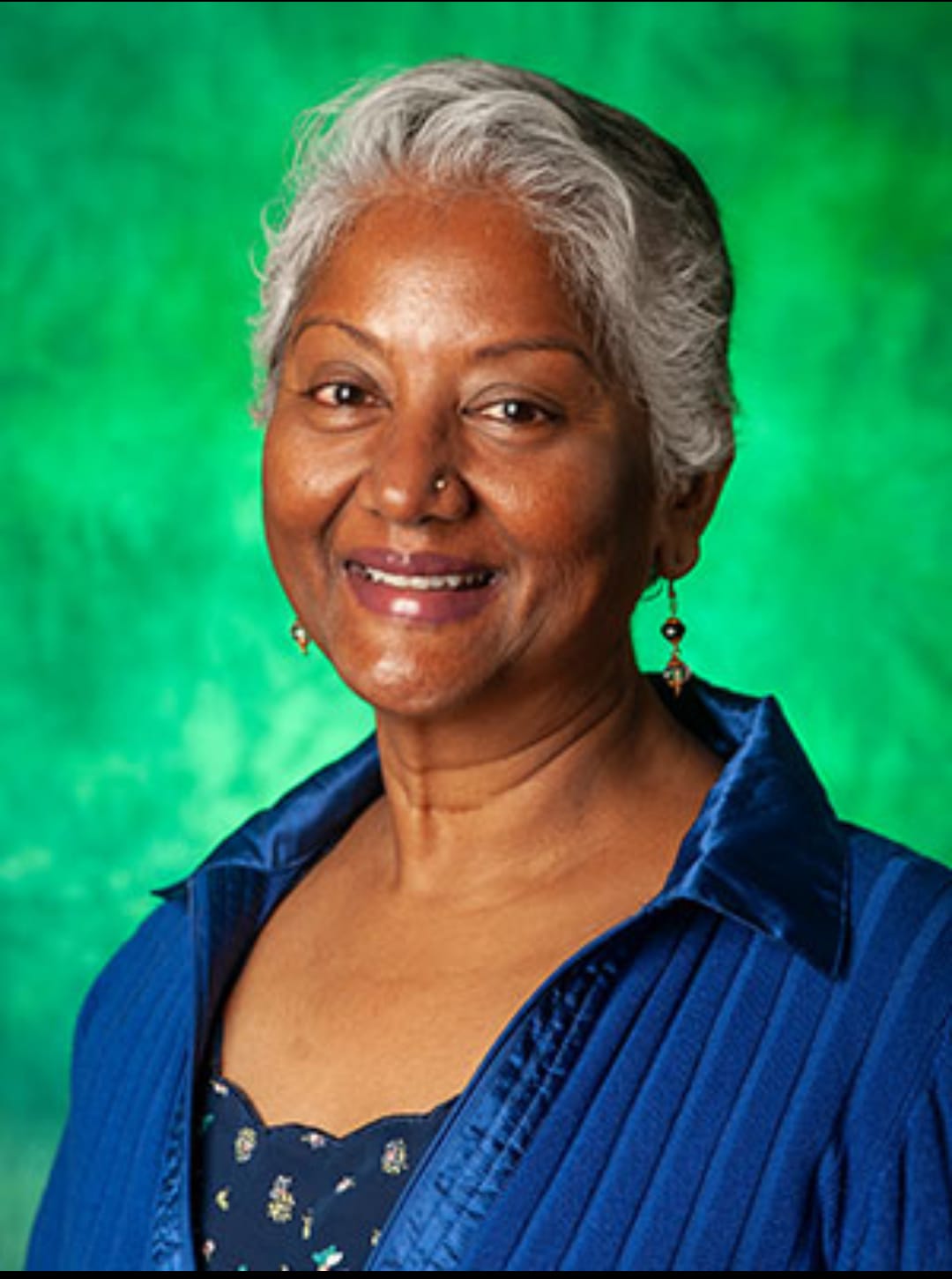
Dr. Shobhana Chelliah

Dr. Shobhana Chelliah

Professor of Linguistics

Indiana University, Bloomington, USA

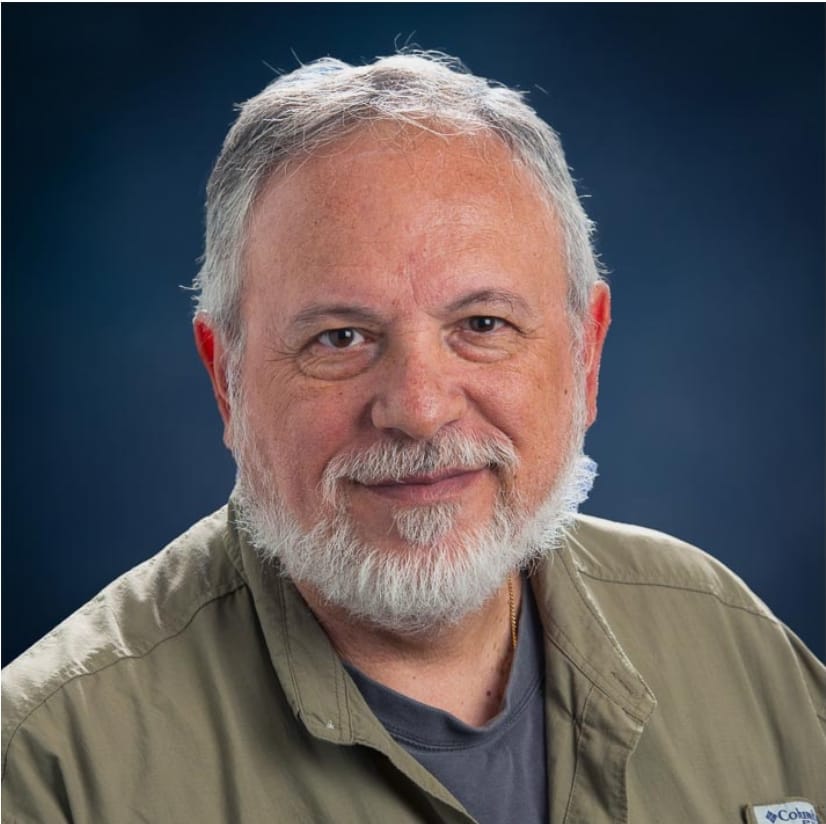
Dr. Salvatore Attardo

Dr. Salvatore Attardo

Professor, Department of Literature & Languages

East Texas A&M University, USA

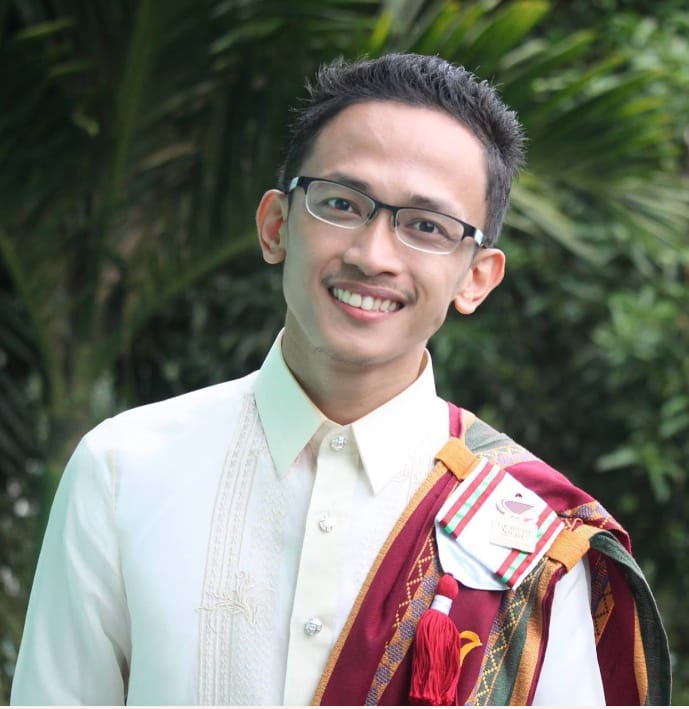
Dr. Nicanor Guinto

Dr. Nicanor Guinto

Associate Professor & Director, Office of Research Services

Southern Luzon State University, Philippines

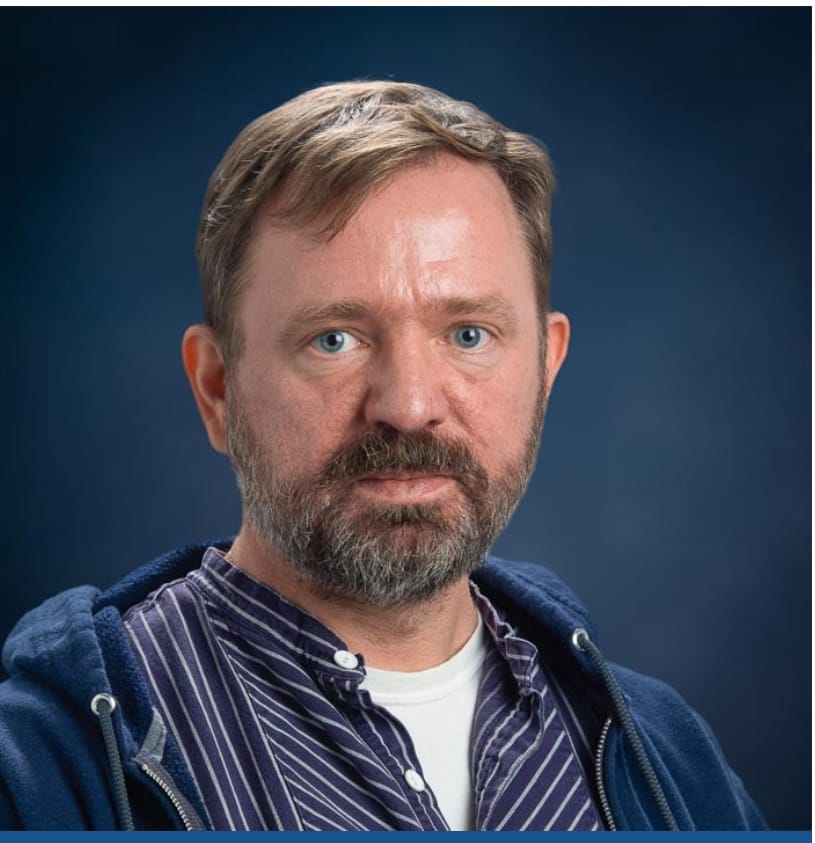
Dr. Hempelmann

Dr. Christian F. “Kiki” Hempelmann

Professor of Computational Linguistics

East Texas A&M University, USA

National Speakers (Pakistan)

Dr. Tafseer Ahmed Khan

Dr. Tafseer Ahmed Khan

Professor, Department of Computer Science

Mohammad Ali Jinnah University, Karachi

Dr. Muhammad Kamal Khan

Dr. Muhammad Kamal Khan

Associate Professor of English & Applied Linguistics

AIOU, Islamabad

Prof. Dr. Qaisar Khan

Prof. Dr. Qaisar Khan

Professor of English & Chairperson

University of Malakand

Dr. Aalia Sohail Khan

Dr. Aalia Sohail Khan

Director, AIPS-Pakistan

Former VC, Women’s University Rawalpindi

Zubair Torwali

Zubair Torwali

Researcher & Language Activist

IBT, Swat

Prof. Dr. Sajida Zaki

Prof. Dr. Sajida Zaki

Professor of English & Applied Linguistics

NED University, Karachi

Dr. Fauzia Janjua

Dr. Fauzia Janjua

Dean, Faculty of Languages & Literature

IIUI, Islamabad

Prof. Dr. Nasir Abbas

Prof. Dr. Nasir Abbas

Dean & Head of Department

LUAWMS, Uthal, Balochistan

Conference

Call for Proposals

Abstract submission is now closed. For further information, please contact itsystemslap@gmail.com

Conference

Conference Committees

Scientific Committee

  • Chair: Prof. Dr. Rashid Mahmood
  • Co-Chair: Dr. Asma Kashif Shehzad
  • Prof. Dr. Asif Khan
  • Dr. Tehseen Zahra
  • Dr. Humaira Jehangir
  • Dr. Farrukh Arsalan
  • Dr. Aniqa Rashid
  • Mr. Qasim Dad
  • Dr. Ayesha Ashraf
  • Ms. Aneeqa Ahmed

Publication Committee

  • Chair: Prof. Dr. Asif Khan
  • Co-Chair: Ms. Noshaba Ejaz
  • Ms. Ayesha Sajid Durrani
  • Ms. Taila Javad
  • Ms. Maira Naseem
  • Dr. Anum Hanif

Media & Communication

  • Chair: Dr. Barira Nazeer
  • Co-Chair: Ms. Ayesha Sajid Durrani
  • Ms. Shaista Hassan
  • Ms. Maira Naseem
  • Ms. Kainat
  • Ms. Ushna Maryam Khan
  • Ms. Wardah Azhar

Program Committee

  • Chair: Dr. Azher Pervaiz
  • Co-Chair: Dr. Nida Zahra
  • Dr. Sana Nawaz
  • Ms. Fatima Iqbal
  • Ms. Qurat ul Ain
  • Ms. Samina Shehzad
  • Ms. Nabila Shafique
  • Ms. Abeeha Khan

Reception & Coordination

  • Chair: Dr. Saba Sadia
  • Co-Chair: Dr. Breya Sial
  • Ms. Abiha Khan
  • Ms. Fatima Iqbal
  • Ms. Anum Sajid

Registration & Finance

  • Chair: Dr. Breya Sial
  • Co-Chair: Ms. Mariam Akram
  • Ms. Kainat
  • Ms. Ittrat Zahra
  • Ms. Hunain
Conference

Important Dates

Proposal Submission Deadline

10th January, 2026

Notification of Acceptance

20th January, 2026

Registration Opens

20th January, 2026

Conference Days

March 25–27, 2026

Conference

Short Program & Schedule

Day 1 25 March 2026 · Wednesday
08:00 – 09:00
registration Registration
09:00 – 10:30
ceremony Inaugural Ceremony (Cheema Hall)
Moderator: Dr. Breya
  • 09:00–09:05 Recitation from the Holy Quran
  • 09:05–09:10 Naat-e-Rasool-e-Maqbool (SAW)
  • 09:10–09:15 National Anthem
  • 09:15–09:20 Welcome Note: Prof. Dr. Musarrat Azhar, Convener
  • 09:20–09:30 VC’s Remarks: Prof. Dr. Shazia Anjum
  • 09:30–09:40 LAP President Address: Dr. Muntazir Mehdi
  • 09:40–09:50 Inaugural Address: Prof. Dr. Asim Mahmood
  • 09:50–10:20 Opening Talk: Technologies for Language Documentation – Prof. Dr. Shobhana Chelliah (Online, Indiana University)
  • 10:20–10:30 Presentation of Shields
10:30 – 10:40
photo Photograph Session 1
10:40 – 11:10
break Tea Break
11:10 – 13:10
plenary 1st Plenary Session (Cheema Hall)
Stage Coordinator: Dr. Breya · Chair: Prof. Dr. Asim Mahmood
  • 11:10–11:40 Preservation, Revitalization, and Dissemination of Indigenous Languages – Prof. Dr. Alia Sohail Khan (AIPS)
  • 11:40–12:10 Bridging Pakistani Dataset Gaps for AI Technologies – Prof. Dr. Tafseer Ahmad (MAJU, Karachi)
  • 12:10–12:40 Lexicographic Gap in English Dictionaries: Under-representation of Pashto Lexemes – Prof. Dr. Qaisar Khan (Univ. of Malakand)
  • 12:40–13:10 A Study of Grammatical Features of Seraiki in Poetry of Khawaja Fareed – Prof. Dr. Nasir Abbas (LUAWMS, Balochistan)
13:10 – 14:40
lunch Lunch / Prayer Break & Poster Presentations (13:10–14:10 posters)
14:00 – 17:00
parallel Parallel Academic Sessions (various rooms)
19:00 – 21:00
cultural Qawali Night – Ms. Rahat Multanikar (Cheema Hall) · Dramatic Performance 20:00–21:00
Day 2 26 March 2026 · Thursday
08:00 – 08:30
registration Registration
08:30 – 11:20
plenary 2nd Plenary Session (Cheema Hall)
Stage Coordinator: Ayesha Sajid Durrani · Chair: Dr. Alia Sohail Khan
  • 08:30–08:35 Quran Recitation
  • 08:35–08:40 Naat
  • 08:40–08:45 Presentation of Shields
  • 08:45–08:50 Photograph Session Day 2
  • 08:50–09:20 The World is Anything but Flat: Large Language Models and Low-Resource Languages – Prof. Dr. Salvatore Attardo (Online, East Texas A&M)
  • 09:20–09:50 Re-conceptualizing Linguistic Vitality in the Digital Era – Prof. Dr. Sajida Zaki (NED, Karachi)
  • 09:50–10:20 Polyglots of Dardistan: How North Pakistan Became Multilingual – Mr. Zubair Torwali (Researcher & Activist)
  • 10:20–10:50 Open Research Practices in Applied Linguistics – Dr. Muhammad Kamal Khan (AIOU, Islamabad)
  • 10:50–11:20 Digitally Mediated Culturally Responsive Pedagogy – Dr. Akifa Imtiaz (Fatima Jinnah Women Univ.)
11:20 – 11:40
break Tea Break
11:40 – 13:10
panel Panel Discussion (Cheema Hall)
Theme: Digitalization of Indigenous Languages: Challenges and Innovations
Moderator: Zubair Torwali
Panelists: Pervaiz Qadir, Prof. Dr. Sajida Zaki, Prof. Dr. Asim Mehmood, Prof. Dr. Tafseer Ahmed, Prof. Dr. Rashid Mehmood, Dr. Pir Suhail Ahmed Sarhandi
13:10 – 13:40
lunch Prayer & Lunch Break
13:40 – 15:10
workshop Workshop (Smart Classroom, 3rd Floor, Arfa Karim Block)
Day 3 27 March 2026 · Friday
09:00 – 09:30
opening 3rd Plenary Session (Cheema Hall) · Stage Coordinator: Dr. Breya · Chair: Prof. Dr. Fauzia Janjua
  • 09:00–09:05 Quran Recitation
  • 09:05–09:10 Naat
  • 09:10–09:20 Presentation of Shields
  • 09:20–09:30 Photograph Session Day 3
09:30 – 11:00
talks
  • 09:30–10:00 The Dangers and Promises of Gen-“AI” for Low-Resource L2 Teaching – Prof. Dr. Christian Hempelmann & Ms. Brittnee Lethermon (online, East Texas A&M)
  • 10:00–10:30 Digitalizing Without Extracting: The Amplifier as Community-Accountable Language Practice – Dr. Ahmar Mahboob (online, Sydney)
  • 10:30–11:00 Free(ing) Indigenous Languages on Digital Spaces – Dr. Nicanor Guinto (online, Southern Luzon State, Philippines)
11:00 – 11:30
plenary From Exonormativity to Aesthetic Autonomy – Prof. Dr. Zia Ahmed (Univ. of Southern Punjab, Multan)
11:30 – 11:50
break Tea Break
11:50 – 12:10
talk Blurring the Boundaries of Machine/Man – Dr. Syrrina Ahsan Ali Haque (Kinnaird College, Lahore)
12:10 – 13:10
book Book Launch: “Linguistic Treasure” by Prof. Dr. Fauzia Janjua (Moderator: Ms. Nida Zahra) – Cheema Hall
13:10 – 13:30
closing Vote of Thanks: Prof. Dr. Musarrat Azhar · Closing Remarks: Dr. Muntazir Mehdi · Souvenir Distribution · Photograph Session
Conference

Conference Fee

Presenter

National (Faculty) 3,500 PKR
National (Students) 2,500 PKR
International 60 USD

Participant

National (Faculty) 3,000 PKR
National (Students) 2,000 PKR
International 40 USD

Bank Account Information

Institution Sadiq Women University (The Government Sadiq College Women University, Bahawalpur)
Bank Habib Bank Limited (HBL)
Account Title UZMA NAHEED / BREYA
Account Number 0025017000642399
IBAN PK31 HABB 0025 0170 0064 2399
Conference

Register for ICLAP 2026

Secure your participation by completing your registration through our official conference portal. Presenters and participants must register before the deadline to ensure inclusion in the program.

Open Registration Portal

For assistance: itsystemslap@gmail.com

Events

Pre-Conference Workshop

24 March 2026 · Online & In‑Person · Bahawalpur

Date 24 March 2026
Time 9:00 AM – 1:00 PM (PKT)
Venue Smart Classroom, GSCWU

Dr. Tehseen Zahra

Associate Professor, Bahria University, Islamabad

“Using Corpus Methods for Qualitative Discourse Analysis”
1

Hafiz Muhammad Fazalehaq

Assistant Professor of the Practice in South Asian Languages & Cultures, Wesleyan University, USA

“Integrating Multimedia Narratives in Hindi-Urdu Classrooms”
2

Mr. Shoaib Tahir

Visiting Lecturer, COMSATS University Lahore Campus

“From Raw Indigenous Language Data to a Searchable Digital Corpus”
3

Workshop Registration Fee

General / Non‑presenter

One workshop 1,500 PKR
All workshops (complete package) 3,000 PKR

ICLAP presenters / participants

One workshop 500 PKR
All workshops (complete package) 1,000 PKR

Bank Account Information

Institution Sadiq Women University (The Government Sadiq College Women University, Bahawalpur)
Bank Habib Bank Limited (HBL)
Account Title UZMA NAHEED / BREYA
Account Number 25017000642399
IBAN PK31 HABB 0025 0170 0064 2399
Register for Workshop

Click to open workshop registration form

For workshop queries: itsystemslap@gmail.com | +92 316 7685667

Events

Panel Discussion

Digitalisation of Indigenous Languages:
Challenges and Innovations

Date: 26 March, 2026
Time: To Be Confirmed
Venue: GSCWU Bahawalpur
Confirmed

Panelists

Prof. Dr. Asim Mahmood

GC University, Faisalabad

Panelist

Prof. Dr. Rashid Mahmood

Riphah International University, Faisalabad

Panelist

Zubair Torwali

Researcher & Language Activist

Panelist

Dr. Sohail Sarhandi

Aror University of Art, Architecture, Design & Heritage, Sukkur

Panelist

Prof. Dr. Sajida Zaki

NED University, Karachi

Panelist

Prof. Dr. Tafseer Ahmed

Mohammad Ali Jinnah University, Karachi

Panelist

Pervaiz Qadir

Researcher and Language Activist

Panelist
More panelists and full session details will be announced soon.
Venue & Travel

Conference Venue

The Government Sadiq College Women University, Bahawalpur is the host venue of the 12th International Conference of the Linguistic Association of Pakistan (ICLAP 2026). Located in the historic city of Bahawalpur, the university provides a vibrant academic environment, modern facilities, and a welcoming campus for national and international delegates.

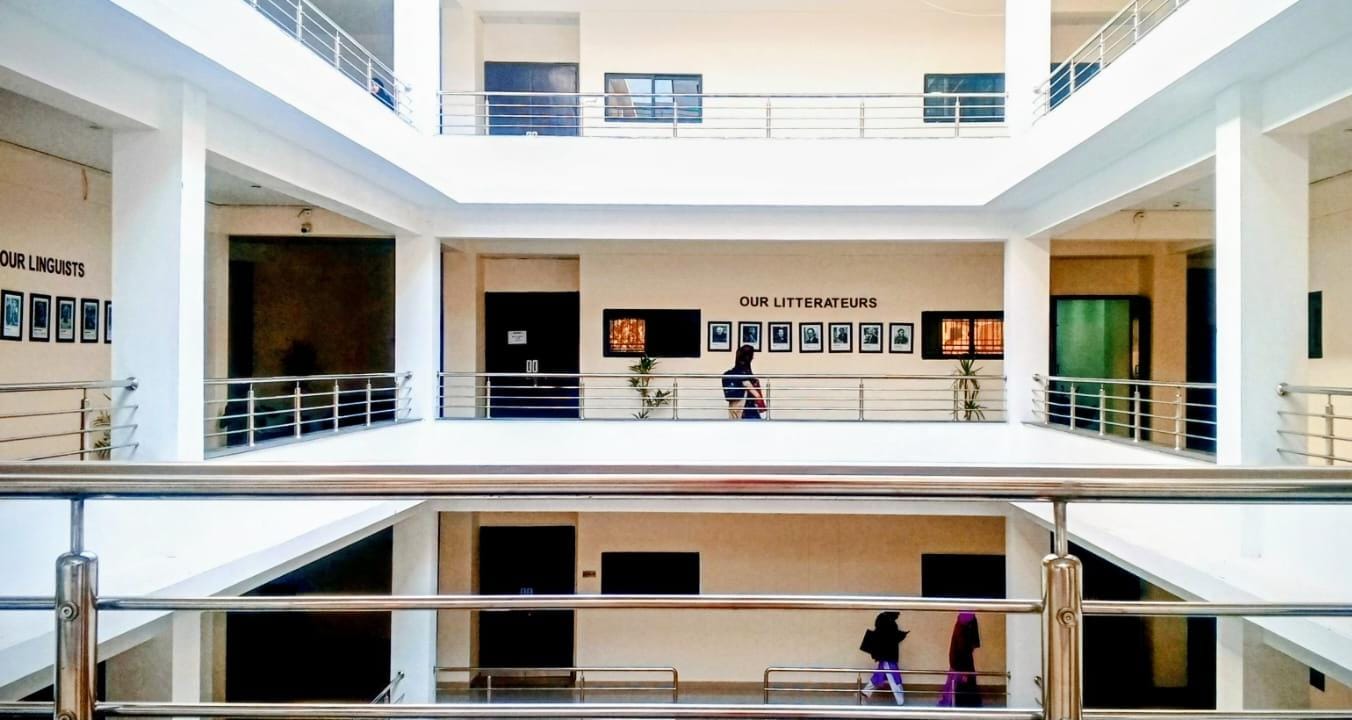
The campus offers well-equipped lecture halls, seminar rooms, and conference spaces suitable for keynote sessions, parallel presentations, and academic networking.

View on Google Maps
University Academic Block University Academic Block
Venue & Travel

Presenter & Participant Accommodation

Hotels near Government Sadiq College Women University, Bahawalpur

Meeting Reception, Coordination and Accommodation

Presenters and participants are requested to book their accommodation directly. Below is a list of nearby hotels with contact details.

1

Qatar Hotel

Deewan Wali Pulli, Bahawalpur

2

Grand Regency

Near Dubai Chowk, Bahawalpur

3

New Premier Hotel

Near One Unit Chowk, Bahawalpur

4

State Residency Hotel

Opposite Commissioner Office, Goheer Town, Bahawalpur

5

Lataska

DC Chowk, Near Gym Khanna, Bahawalpur

6

Pak Continental

Bobby Plaza, Circular Rd, Old City, Bahawalpur

7

Royal Mark Hotel

A Aziz Bhatti Shaheed Rd, Model Town, Bahawalpur

8

5th Avenue

Upper Floor of Sapphire, Bahawalpur

Booking Information

Please contact hotels directly for reservations and rates. Mention “ICLAP 2026” or “GSCWU Conference” for any available conference rates.

For assistance: itsystemslap@gmail.com | +92 316 7685667

Venue & Travel

Cultural Tour

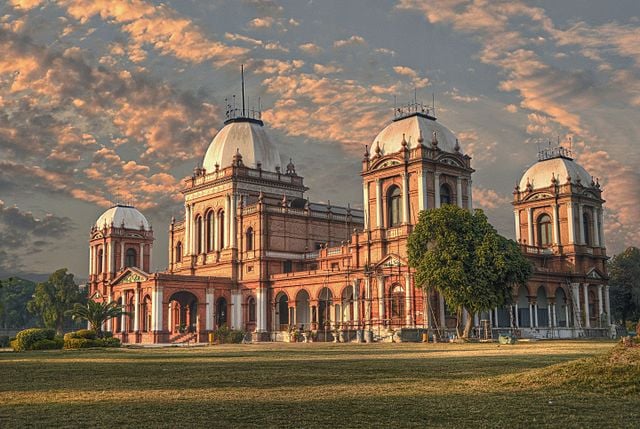
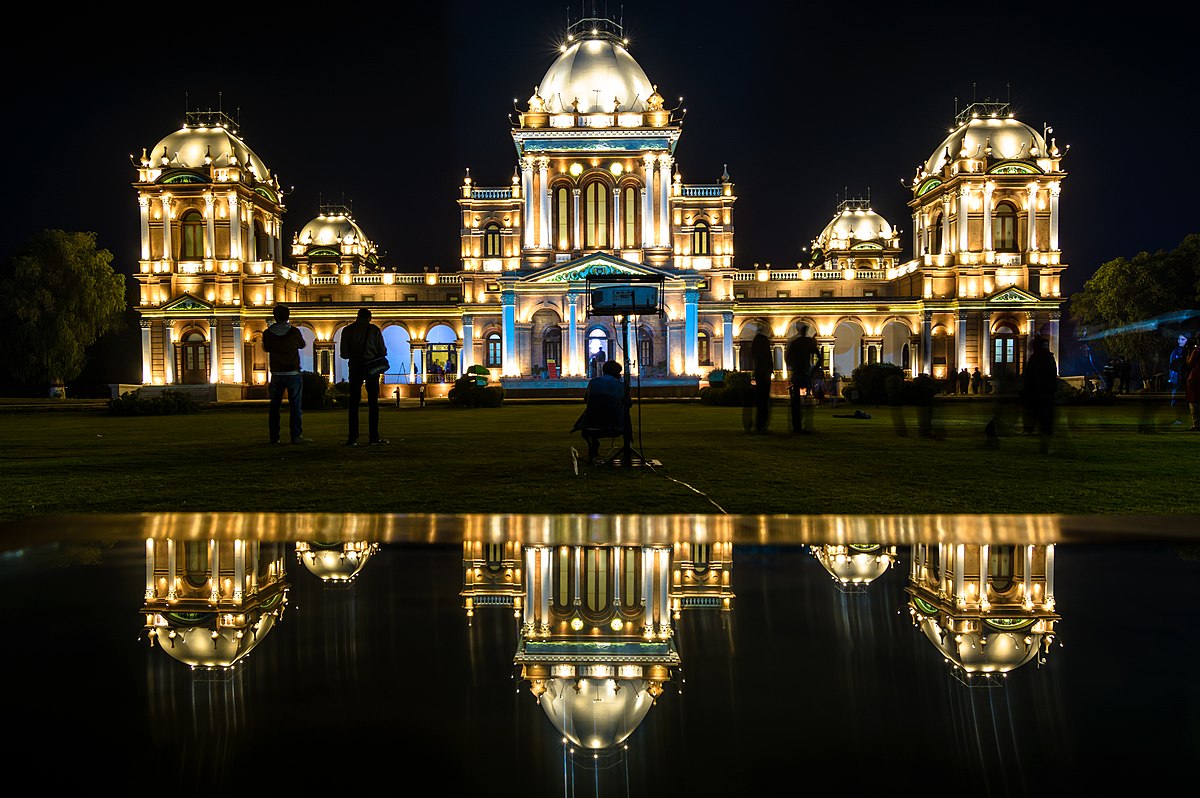
Noor Mahal, Bahawalpur

Noor Mahal Bahawalpur

As part of the cultural program of ICLAP 2026, conference participants will visit Noor Mahal, Bahawalpur — one of the most iconic historical and architectural landmarks of Punjab, Pakistan.

Constructed in 1872 during the reign of Nawab Sir Sadiq Muhammad Khan IV, Noor Mahal represents a remarkable fusion of Italian and neoclassical European architectural styles, reflecting the cultural refinement and royal heritage of the former Bahawalpur State.

Originally conceived as a royal residence, the palace later functioned as a state guest house and is now preserved as a national heritage site. Its grand domes, spacious halls, marble staircases, and meticulously designed interiors vividly portray the opulence of the Nawabi era.

Located near the city center, Noor Mahal stands as a symbol of Bahawalpur’s historical significance and architectural excellence. During ICLAP 2026, guests will have the opportunity to experience this historic site as part of the official conference tour.

Tour Location: Noor Mahal, Bahawalpur

Partners

Our Esteemed Sponsors

Supporting arts, culture, language and their impact in academia & society

We are grateful to our esteemed sponsors for their support to encourage arts, culture, language and their impact in academia as well as society:

Join Our Sponsor Family

We welcome additional partners who share our vision of promoting linguistic diversity and indigenous language preservation.

Become a Sponsor
Partners

Publications

Publication details will be available soon.

Get in Touch

Contact Us

For all conference-related queries, please reach out through the following:

Email itsystemslap@gmail.com
WhatsApp +92 316 7685667
Location Bahawalpur, Punjab, Pakistan
Conference Program

Detailed Program & Schedule

March 25–27, 2026 · Bahawalpur, Pakistan

Pre-Conference 24 March 2026 · Tuesday
Venue: Video Conference Room, Government Sadiq College Women University, Bahawalpur  ·  Moderator: Ms. Itrat Zahra
09:30 – 11:00
workshop From Raw Indigenous Data to a Searchable Digital Corpus
Mr. Shoaib Tahir
Visiting Lecturer, COMSATS University Lahore Campus
11:30 – 13:00
workshop Using Corpus Methods for Qualitative Discourse Analysis
Dr. Tehseen Zahra
Associate Professor, Bahria University, Islamabad
Day 1 25 March 2026 · Wednesday
08:00 – 09:00
registration Registration
09:00 – 10:30
ceremony Inaugural Ceremony
Cheema Hall, GSCWU Bahawalpur  ·  Moderator: Dr. Breya
  • 09:00–09:05   Recitation from the Holy Quran
  • 09:05–09:10   Naat-e-Rasool-e-Maqbool (SAW)
  • 09:10–09:15   National Anthem
  • 09:15–09:20   Welcome Note — Prof. Dr. Musarrat Azhar, Convener ICLAP 2026
  • 09:20–09:30   VC’s Remarks — Prof. Dr. Shazia Anjum, Vice Chancellor, GSCWU Bahawalpur
  • 09:30–09:40   LAP President Address — Dr. Muntazir Mehdi, Chairman, Linguistic Association of Pakistan
  • 09:40–09:50   Inaugural Address — Prof. Dr. Asim Mahmood, LAP Conference Organizer
  • 09:50–10:20   Presentation of Shields
  • 10:20–10:30   Photograph Session 1
10:30 – 11:00
break Tea Break
11:00 – 13:30
plenary 1st Plenary Session
Cheema Hall  ·  Stage Coordinator: Dr. Breya  ·  Chair: Prof. Dr. Asim Mehmood, GC University Faisalabad
11:00 – 11:30  ●  Opening Talk
Preservation, Revitalization, and Dissemination of Indigenous Languages
Prof. Dr. Alia Sohail Khan — Director, American Institute of Pakistan Studies; Former VC, Women’s University Rawalpindi
11:30 – 12:00
Bridging Pakistani Dataset Gaps for AI Technologies
Prof. Dr. Tafseer Ahmad — Mohammad Ali Jinnah University, Karachi
12:00 – 12:30  ●  Online
Technologies for Language Documentation
Prof. Dr. Shobhana Chelliah — Indiana University, Bloomington, USA
12:30 – 13:00
Lexicographic Gap in English Dictionaries: Under-representation of Pashto Lexemes
Prof. Dr. Qaisar Khan — Dean, Faculty of Arts & Humanities, University of Malakand
13:00 – 13:30
A Study of Grammatical Features of Saraiki in Poetry of Khawaja Fareed
Prof. Dr. Nasir Abbas — Lasbela University of Agriculture, Water and Marine Sciences, Uthal, Balochistan
13:30 – 14:00
lunch Lunch Break / Prayer Break
14:00 – 15:00
poster Poster Presentations
Ground Floor, Arfa Karim Block
14:00 – 17:00
parallel Parallel Academic Sessions (7 Sessions) — See detailed schedule below
Various Rooms, Arfa Karim Block
19:00 – 20:00
cultural Qawali Night — Mr. Shahid Ali Jevan
Cheema Hall
20:00 – 21:00
cultural Dramatic Performance
Cheema Hall

Parallel Academic Sessions — Day 1 (14:00–17:00)

Session 1 · Room 2.2, 1st Floor, Arfa Karim Block · In-Person
Chair: Dr. Rashid Mehmood  ·  Moderator: Ms. Ushna Maryam
02:00–02:15 Digitalization of the Balochi Language: Challenges, Community-Driven Innovations, and the Indigenous Digital Gap
Zaryab Batool, Farah Naz, Ayesha Qasir
02:15–02:30 Computational Linguistics in Pakistan: Challenges, Developments, and Future Directions
M. Shoaib Tahir, Aasma Younas
02:30–02:45 Digitalization of Indigenous Languages: Challenges and Innovations
Adiba Asif
02:45–03:00 Ethical Reflections on the Digitalization of Indigenous Languages
Dr. Samiya Alam
03:00–03:15 Absurdism in the Digital Age: Indigenous Youth, Language Identity, and Social Media
Ahmad Ali, Zamurd BiBi
03:15–03:30 From Oral Tradition to Digital Presence: The Struggle and Progress of Pakistan’s Indigenous Languages
Ayesha Kabir
03:30–03:45 Digitalization of Indigenous Languages in Pakistan: Challenges, Technological Innovations, and Corpus-Based Insights from PCTB English Textbooks
Malik Allah Dad
03:45–04:00 Artificial Intelligence and Indigenous Language Education: A Quantitative Study of Learners’ Perceptions and Learning Outcomes
Laiba Sarfraz
04:00–04:15   Certificates & Chair’s Comments
Session 2 · Room 2.3, 1st Floor, Arfa Karim Block · In-Person
Chair: Dr. Hasanat Ahmad  ·  Moderator: Ms. Abiha Khan
02:00–02:15 Artificial Intelligence and Indigenous Language Education: A Quantitative Study of Learners’ Perceptions and Learning Outcomes
Subhan Habib
02:15–02:30 Artificial Intelligence and Indigenous Language Education in Pakistan: Challenges, Innovation, Pedagogical Implications
Mian Zohaib Javed
02:30–02:45 Automated Error Analysis of Argumentative Essays of Undergraduate Students at GSCWU, Bahawalpur
Abiha Khan
02:45–03:00 English Language Proficiency through Social Interaction among ESL Learners: A Quantitative Study
Kinza Razzaq
03:00–03:15 The Limitless Punjabi Language in a Digitally Limited Space: A Comparative Study of Gen Z and Millennials
Faiza Abid, Rida Sarfraz, Saima Abbas Dar
03:15–03:30 Digitising Saraiki Poetry: Representation, and Meaning in Digital Media
Rida Sarfraz, Saima Abbas Dar
03:30–03:45 Digital Preservation of Cultural-Ecological Knowledge in the Siraiki Language of South Punjab
Muhammad Farhat Abbas, Dr. Asma Kashif Shahzad, Sundas Rauf
03:45–04:00 When Innovation Excludes: Rethinking Indigenous Language Inclusion in Digital Spaces
Fizza Sehar Abbasi, Aamna Kalwar, Iram Naz
04:00–04:15   Certificates & Chair’s Comments
Session 3 · Room 2.4, 1st Floor, Arfa Karim Block · In-Person
Chair: Dr. Sajid Ali  ·  Moderator: Ms. Taila Jawad
02:00–02:15 From Craft to Code: Digital Pathways for Indigenous Language Preservation in Leather Designing
Malaika Yousaf
02:15–02:30 Social Media for Indigenous Language Revitalization: Exploring Opportunities, Challenges, and Youth Engagement
Dr. Saddam Hussain, Dr. Shaukat Ali, Dr. Tariq
02:30–02:45 From Linguistic Inclusion to Digital Marginalization: A Critical Evaluation of Ethical and Structural Challenges in Speech-to-Text and Text-to-Speech Technology in Low-Resource Indigenous Languages in Pakistan
Basma Batool
02:45–03:00 Digitizing Sacred Texts: The Role of Religious Manuscripts in Preserving Indigenous Languages of South Asia
Ali Gulzar
03:00–03:15 Challenges and Constraints in Digitally Documenting Women’s Narratives in Rural Jangli Punjabi: A Sociolinguistic Study
Asma Hassan Ali
03:15–03:30 Standardization as Erasure: How Digitalization Suppresses Dialectal Diversity in the Sindhi Language
Errum Suleman, Mariyam Channa, Muniza
03:30–03:45 Language Shift or Maintenance: Exploring the Decline of the Brahui Language and Role of Technology in its Development
Bibi Naila, Irum Shehnaz, Fariha Magsi
03:45–04:00 Challenges in Creating Bilingual Dictionaries for Urdu: Addressing Cultural Issues in Urdu-English Lexicography
Maria Sufi, Aimen Chaudhary, Dr. Ali Ahmad
04:00–04:15   Certificates & Chair’s Comments
Session 4 · Room 2.5, 1st Floor, Arfa Karim Block · In-Person
Chair: Dr. Kamal Khan  ·  Moderator: Ms. Nabila Shafique
02:00–02:15 Code-Switching and Code-Mixing in Pakistani English: Insights from Social Media and EFL Learners
Zain Amin
02:15–02:30 Digital Literacy, Linguistic Rights, and LPP: Ensuring Equal Representation of Indigenous Language Communities
Waheed Shahzad, Dr. Furrakh Abbas, Dr. Majid Rashid
02:30–02:45 Bridging the Technological Divide: A Custom OCR Pipeline and Digital Corpus Initiative for the Saraiki Language
Ali Haider
02:45–03:00 Discursive and Social Practices in Instagram Cosmetic Product Endorsements: A Critical Discourse Analysis with Evidence from Pakistan
Ms. Arshia Chaudhary, Shehrina Aziz, Samra Sarwar
03:00–03:15 Use of Persuasive Language in Pakistani Clothing Brands: A Cialdini-Based Analysis
Laiba Rafiq, Javaria Rafiq
03:15–03:30 A Critical Discourse Analysis of News Headlines on the Gaza Conflict: A Comparative Study of Power, Ideology, and Evaluative Language in Western and Arab Media
Fatima Akram, Dr. Sara Shahbaz, Muhammad Babar Shahzad
03:30–03:45 Silencing of Religious Sensibilities through Queer Normalization in Pakistani Fashion Advertising on Instagram
Sufia Sultana
03:45–04:00 Gender, Class, and Culture in Contemporary Pakistani Dramas: A Feminist Media Analysis
Muqaddas Bibi
04:00–04:15   Certificates & Chair’s Comments
Session 5 · Virtual
Chair: Dr. Ayesha Ashraf  ·  Moderator: Ms. Hunain Sabir
02:00–02:15 Digitalization of Indigenous Languages: Linguistic Access and Vernacular Mediation in Rural Pakistan: Punjabi Usage Among Women in Digital Banking Ecologies
Sadiqa Maqbool
02:15–02:30 Digitalizing Indigenous Languages in Balochistan: Political Dimensions of Identity and Inclusion
Dr. Abdul Ghafoor
02:30–02:45 Eating Identity: How Food Narratives Shape Memory, Belonging, and Culture in Contemporary English Literature
Memoona Zahra
02:45–03:00 Eco-Linguistic Features in Digital Marketing: A Lexical and Semantic Analysis of Social Media Content by Pakistani Organizations
Samrina
03:00–03:15 Punjabi in Pakistan’s Digital Landscape: Social Marginalization and Challenges of Indigenous Language Digitalization
Asma Saleem
03:15–03:30 Bias and Linguistic Inequality in Algorithmic Digitalising Urdu with Reference to AI Tools
Sumaira Malik, Dr. Azhar Pervaiz
03:30–03:45 Exploring Responsibility in ChatGPT Use: Insights from Prospective Teachers
Nayyer Hassan, Munazza Ambreen
03:45–04:00 Shahmukhi Punjabi; Unicode; Corpus Linguistics; Romanization; Artificial Intelligence; Language Marginalization
Nouman Qadir, Hafiz Muhammad Awais, Laraib Zahoor, Tamanna Kanwal
04:00–04:15   Certificates & Chair’s Comments
Session 6 · Virtual
Chair: Dr. Anum Hanif  ·  Moderator: Ms. Kainat Hussain
02:00–02:15 Translation and Alignment of Princeton English WordNet into Shahmukhi Punjabi
Muqaddas Shahzadi, Muhammad Asim Mahmood
02:15–02:30 Digitizing Punjabi in the Age of AI: Addressing Shahmukhi Script Marginalization through Unicode-Based Corpus and Tool Integration
Syed Ahsan Mehmood
02:30–02:45 Designing ESP Language Material for the Pakistani Police: A Case Study
Tarim Masood
02:45–03:00 Linguistic Preservation and Climate Change Discourse in Endangered Languages
Sobia Mohani Khalil
03:00–03:15 A Sociolinguistic Exploration of Pakistani Youth Engagement in Digitally Revitalizing the Haryanvi Language: Motivations, Challenges, and Innovations
Muhammad Kaleem Ullah, Dr. Amna Naveed
03:15–03:30 Development of Semantic Relations and Synsets of Shahmukhi Punjabi using the Princeton WordNet: A Corpus Based Study
Sarfraz Tabassum, Muhammad Asim Mahmood
03:30–03:45 A Corpus-Driven Description of the Nominal Group in Shahmukhi
Aiman Khalid, Muhammad Asim Mahmood
03:45–04:00 Functional Typology of Adjuncts in English and Shahmukhi Punjabi Narratives: An SFL Description from Clause to Morpheme
Mahnoor Anwar, Muhammad Asim Mahmood
04:00–04:15   Certificates & Chair’s Comments
Session 7 · Virtual
Chair: Dr. Sana Nawaz  ·  Moderator: Ms. Fatima Iqbal
02:00–02:15 Cross-Lingual Semantic Alignment through Phonetic, Morphological, and Syntactic Analysis of Punjabi and Urdu
Ayesha Iqbal
02:15–02:30 Bridging Generations: Intergenerational Transmission and Digital Preservation of Hindko in Pakistan
Dua Saud
02:30–02:45 Performing Femininity in Consumer Culture: A Deconstructive Analysis of Advertisements in Pakistani Media
Noor ul-ain Fatima, Habiba Anjum, Laiba Manzoor
02:45–03:00 Unveiling Digital Discourses: A Smile-Based Somelit Analysis of Linguistic Strategies in Social Media Communication
Ms. Aimen Batool, Dr. Saima Umer
03:00–03:15 Corpus Linguistic Analysis of AI Representation in Speculative Narratives: A Comparative Study of Human-Machine Interaction in Neuromancer & I, Robot
Ahsana Idris
03:15–03:30 Writing Skills Development and SLA Challenges in Pakistan
Maria Khanum, Noor Fatima
03:30–03:45 Phonemic Endangerment and Digital Documentation: The Kalasha Sound Patterns and the Indigenous Oral Traditions
Abeeha Adan, Syed Ahsan Mehmood, Hafiz Muhammad Awais, Sajida Sher Muhammad
03:45–04:00 Linguistic Political Ecology: A Case Study of Digitalization of Balochi Orthography
Umm-e-Rooman Yaqoob, Hafsa Mohi ud Din
04:00–04:15   Certificates & Chair’s Comments

Poster Presentations — Day 1 (14:00–15:00)

Venue: Ground Floor, Arfa Karim Block  ·  Mode: In-Person
Inner Conflict and Spiritual Identity in Bulleh Shah’s Punjabi Poetry: A Psychoanalytic Reading
Umra Akhtar, Umme Amara
Petals of Resistance: Female Consciousness and Patriarchal Challenges in Sad-Barg by Parveen Shakir
Laiba Shahid
A Feminist Interpretation of Sohni Mahiwal: Women’s Voice and Social Constraints
Zoya Javed
A Mystical Interpretation of Khwaja Ghulam Fareed through the Lens of Sufi Literary Theory
Rimsha Tabassum
Eruption of Traumatic Experience in “Khol Do” by Saadat Hasan Manto: A Psychoanalytic Reading
Umaima Emaan
Linguistics Liberation and AI Colonization: Digital Representation and Preservation Challenges to Indigenous Languages of Pakistan (Punjabi/Shahmukhi)
Muneeba Perveen, Rumaisa Kanwal
Does the Dominance of English in the Digital World Lead to Marginalization of Indigenous Languages?
Manahil Fatima, Yusra Zulfiqar
A Stylistic Analysis of Metaphorical Expressions of Selected Saraiki Folk Songs
Shehrbano, Qandeel Akhtar, Maniha Hassan
Study of Amrita Pritam “Aj Akhan Waris Shah Nu” through the Lens of Feminist Theory
Khansa Bibi, Farazia Hussain, Noreen Fatima
A Sociological (Marxist) Analysis of Ataullah Khan Esa Khelvi’s Song
Malaika Attique, Muqadas Qadeer, Mahrukh Hafeez
From Orality to Archive: Anonymous Saraiki Folk Poetry of Rohi as Postcolonial Resistance
Mehrab Amjad, Aiman Ajmal
A Psychoanalytic Interpretation of Two Kafis by Khwaja Ghulam Fareed
Maryam Anwar, Nimra Nawaz, Iqra Akbar
Navigating Silence and Shadow: Psychoanalytic Study of Saraiki Nazm Raat da Sammundar by Shah Muhammad Suleman Tangy
Rida Fatima, Areeba Bibi, Wajeeha Akmal
Laila’s Forced Marriage in Laila–Majnun by Nizami Ganjavi: A Feminist Study of Female Silence and Patriarchal Control
Nayab Hafeez, Bushra Arshad, Ayesha Haneef
A Feminist Study of Faiz Ahmad Faiz’s Poem “Bol ke Lab Azaad Hain”
Samia Bano, Andleeb Sehar
Female Voice and Patriarchal Resistance in Heer by Waris Shah: A Feminist Stylistic Analysis
Muskan Sattar, Jaweria, Arooj Fatima
Symbols of Love and Longing: A Psychoanalytic Reading of Gulum Farid’s Poem “Farida Khak Na Nandiye”
Tehreem Fatima, Anam Usman, Sadaf Bibi
Sassi’s Defiance: Female Agency in Sindhi Folk Narratives
Ayesha Farooq, Rumaisa Mohsin
Day 2 26 March 2026 · Thursday
08:00 – 08:30
registration Registration
08:30 – 11:20
plenary 2nd Plenary Session
Cheema Hall  ·  Stage Coordinator: Ayesha Sajid Durrani  ·  Chair: Dr. Alia Sohail Khan, Director, American Institute of Pakistan Studies
08:30–08:35 Quran Recitation  ·  08:35–08:40 Naat  ·  08:40–08:45 Presentation of Shields  ·  08:45–08:50 Photograph Session Day 2
08:50 – 09:20  ●  Online
The World is Anything but Flat: Large Language Models and Low-Resource Languages
Prof. Dr. Salvatore Attardo — East Texas A&M University, Texas, USA
09:20 – 09:50
Polyglots of Dardistan: How North Pakistan Became Multilingual
Mr. Zubair Torwali — Researcher & Language Activist, Idara Baraye Taleem-o-Taraqi, Swat
09:50 – 10:20  ●  Online
Re-conceptualizing Linguistic Vitality in the Digital Era: A Process-Oriented Framework for the Digital Empowerment of Indigenous Languages
Prof. Dr. Sajida Zaki — NED University of Engineering and Technology, Karachi
10:20 – 10:50
Open Research Practices in Applied Linguistics: Opportunities and Challenges for Pakistani Practitioners
Dr. Muhammad Kamal Khan — Associate Professor, Dept. of English Language & Applied Linguistics, Allama Iqbal Open University, Islamabad
10:50 – 11:20
Digitally Mediated Culturally Responsive Pedagogy: Revitalising Indigenous Languages in ESL Classrooms
Dr. Akifa Imtiaz — Fatima Jinnah Women University, Rawalpindi
11:20 – 11:40
break Tea Break
11:40 – 13:10
panel Panel Discussion
Cheema Hall  ·  Theme: Digitalization of Indigenous Languages: Challenges and Innovations  ·  Moderator: Dr. Tazanfal Tehseem
Zubair Torwali — Researcher & Language Activist Pervaiz Qadir — Researcher & Language Activist Prof. Dr. Sajida Zaki — NED University, Karachi Prof. Dr. Asim Mehmood — GC University, Faisalabad Prof. Dr. Tafseer Ahmed — MAJU, Karachi Prof. Dr. Rashid Mehmood — Riphah International University, Faisalabad Dr. Pir Suhail Ahmed Sarhandi — University of Mirpurkhas, Sindh
13:10 – 13:40
lunch Prayer & Lunch Break
13:40 – 15:10
workshop Workshop — Integrating Multimedia Narratives in Hindi-Urdu Classrooms
Video Conference Room, GSCWU  ·  Moderator: Ms. Itrat Zahra
Dr. Fazl e Haq — Wesleyan University, USA
14:00 – 17:00
parallel Parallel Academic Sessions (7 Sessions) — See detailed schedule below
Various Rooms, Arfa Karim Block

Parallel Academic Sessions — Day 2 (14:00–17:00)

Session 1 · Ground Floor, Arfa Karim Block · In-Person
Chair: Dr. Zafar Iqbal  ·  Moderator: Ms. Hunain Khan
02:00–02:15 A Lexical Stylistic Analysis of Titles and Subtitles of Iqrar-ul-Hassan’s
Areeba Ghafoor, Saira Ahmad, Hafiza Nadia Qasim
02:15–02:30 Voices Under Fire: A Critical Discourse Analysis of Anti-Sindhi Narratives on Social Media
Bakhtawar Khokhar, Tooba Memon, Soonh Bhayo
02:30–02:45 Exploring Power, Language, and Digital Narratives: A Critical Discourse Analysis of Indigenous Balti Language Representation on Social Media in Pakistan
Aqsa Soomro, Khursheed Khatoon, Huma
02:45–03:00 A Corpus-Assisted Lexical Study of Stylistic Features in Psychological Thriller and Mystery Genres
Kinza Rehman, Aqsa Hidayat, Zahra Bibi, Maria Noor, Tehreem Altaf
03:00–03:15 A Critical Discourse Analysis of Globalization, Technologization, and McDonaldization as Discursive Forces in the Decline of the Punjabi Language
Khalid Mahmood
03:15–03:30 Zotero Made Easy: Hands-On Practice with “Cite While You Write”
Sufia Sultana
03:30–03:45 Simplification in “Explain like I’m Five” on Reddit: A Stylistic Analysis
Ayesha Arshad, Amina Asghar, Maria Qimaz
03:45–04:00 Subverting Colonial Narratives: A Study of Friday’s Strategic Muteness in J.M. Coetzee’s “Foe”
Itrat Zahra
04:00–04:15   Certificates & Chair’s Comments
Session 2 · Room 2.2, 1st Floor, Arfa Karim Block · In-Person
Chair: Dr. Pir Suhail Ahmed Sirhandi  ·  Moderator: Ms. Taila Jawad
02:00–02:15 Stylistic Analysis of Language Used in Drug Information Leaflets
Iqra Altaf, Laiba Noreen, Syeda Iqra Bahar
02:15–02:30 The Aura of Glow: A Stylistic Analysis of Whitening Creams Advertisements on Pakistani Social Media
Muqaddas Zafar, Ansa Mehmood, Kinza Kanwal
02:30–02:45 Stylistic Analysis of Persuasive Language in Beauty Product Slogans
Ms. Tazmeen Zahra, Ms. Ayesha Jamil, Ms. Taqinza Ghaffar
02:45–03:00 A Corpus-Based Stylistic Study of PACOP: Analyzing Nationalism, Love, and Unity in Pakistani Patriotic Anthems
Ayesha Abbas
03:00–03:15 A Stylistics Analysis of Sufism-Related Headlines in Dawn Newspaper
Ms. Farzana Khan, Saman Amanat, Sumaira Sheikh
03:15–03:30 Analyzing Named Entity Recognition (NER) in Selected Newspaper Opinions by SpaCy: A Computational Linguistics Tool
Prof. Dr. Zafar Iqbal Bhatti
03:30–03:45 A Corpus-Based Diachronic Analysis of Attitudinal Stance in Pakistani Academic Writing Across Disciplines
Taila Jawad
03:45–04:00 Conceptual Metaphors and Discourse Prosody of the Quranic Verb in the Holy Qur’an: A Corpus-Based Study
Hafiz Muhammad Madni
04:00–04:15 Morphological Patterns of Saraiki Stem Verbs: A Corpus Based Study
Fauzia Shafi, Fatima Iqbal, Ushna Khan
Certificates & Chair’s Comments
Session 3 · Room 2.3, 1st Floor, Arfa Karim Block · In-Person
Chair: Prof. Dr. Qaisar Khan  ·  Facilitator: Ms. Fatima Iqbal
02:00–02:15 Voices of Earth: Cultural Values in NASA’s Golden Record Greetings
Madya Asgher
02:15–02:30 Verbal Warfare in the Cricket Arena: A Corpus Based Exploration of War Metaphors in Pakistani Digital Fan Commentary
Maham Sultana, Dr. Humera Faraz, Azan Khalid
02:30–02:45 Constructing the ‘Other’ through Taboo Language: A Corpus-Assisted Analysis of Indian Fans’ Online Reactions to Pakistan on Social Media
Dr. Humera Faraz, Azan Khalid
02:45–03:00 An Investigation of Syntactic Complexity in Selected Online English Academic Lectures: A Corpus-Based Study Using the Constructional Diversity Analyzer (CDA)
Aqeela Batool
03:00–03:15 A Pragmatic Analysis of PM Shehbaz Sharif’s UNGA Speech: The Exploration of Speech Acts
Bisma Azeem
03:15–03:30 From Hashtags to Heritage: Youth, Social Media, and the Digital Revival of Indigenous Languages
Fatima Jabeen
03:30–03:45 Exploring Gendered Narrative Styles: A Comparative Analysis of Transitivity Patterns in Male- and Female-Authored Travelogues
Jawaria Sajid, Dr. Hafiz Qasim
03:45–04:00 Forms of Resistance in Dunya Mikhail’s Poetry: A Feminist Study
Rubab Ansar, Ayesha Arif
04:00–04:15   Certificates & Chair’s Comments
Session 4 · Room 2.4, 1st Floor, Arfa Karim Block · In-Person
Chair: Dr. Sana Nawaz  ·  Moderator: Ms. Qurat-ul-Ain
02:00–02:15 Navigating Uncertainty: A Metamodernist Reading of Mohsin Hamid’s Exit West
Kayenat Naeem
02:15–02:30 Possible World Perspective on The Gurka and the Lord of Tuesday by Hossain
Quratulain Ijaz
02:30–02:45 Intuitive Leadership and Destructive Authority: A Feminist Psychoanalytic Reading of the Bluebeard Tale in Women Who Run With the Wolves
Mahjooba Mehboob
02:45–03:00 A Pragmatic Analysis of Emoji Perception amongst Millennials and Gen Z
Qumar Fatima, Chashman Fatima, Tayyaba Mushtaq
03:00–03:15 Does the Dominance of English in the Digital World Lead to the Marginalization of Indigenous Pakistani Languages?
Manahil Fatima
03:15–03:30 Linguistics Liberation and AI Colonization: Digital Representation and Preservation Challenges to Indigenous Languages of Pakistan (Punjabi/Shahmukhi)
Muneeba Perveen
03:30–03:45 Exploring Personalized Online Identities of Pakistani YouTubers through CDA
Fatima Zafar
03:45–04:00 Use of Persuasive Language in Pakistani Clothing Brands: A Cialdini-Based Analysis
Javeria Rafique, Laiba Rafique
04:00–04:15   Certificates & Chair’s Comments
Session 5 · Virtual
Chair: Dr. Anum Hanif  ·  Moderator: Ms. Abiha Khan
02:00–02:15 Impact of National Language Planning and Policy on Indigenous Languages in Pakistan: A Case Study of Punjabi and Saraiki Landscape
Dr. Azhar Pervaiz, Bilal Hussain
02:15–02:30 Fantasy, Identity and Belonging: An Exploration of Gender in Selected Young Adult Fiction
Habiba Sana Ullah
02:30–02:45 Unveiling the Uncanny: A Multimodal Critical Discourse Analysis of the Simpsons’ Predictions Manifesting into Reality
Assia Khanam, Dr. Umara Shaheen
02:45–03:00 The Art of Persuasion in Confidence Building: A Rhetorical Move Analysis of TED Talks using NVivo
Alina Ahsan, Mehwish Fatima
03:00–03:15 Folk Wisdom: The Role of Figurative Language in the Saraiki Identity through Animal Imagery in Poetry of Khawaja Ghulam Fareed
Tahira Shabbier
03:15–03:30 Impact of Massive Open Online Courses (MOOCs) into Blended Learning
Farhan Ali, Dr. Azhar Pervaiz, Maria Najam (Virtual)
03:30–03:45 Decolonizing Identity and Survival: Post-Colonial Analysis of Johnson’s Yellow Wife
Syed Musharraf Hussain Shah
03:45–04:00 Corpus Based Analysis of Semantic Prosodic Structural Variance in Children’s Urdu Storybooks and Adult Fiction of Munshi Premchand
Nimra Alveena Maham (Virtual)
04:00–04:15   Certificates & Chair’s Comments
Session 6 · Virtual
Chair: Dr. Ayesha Ashraf  ·  Moderator: Ms. Fauzia Shafi
02:00–02:15 A Corpus-Based Comparative Study of Speech Acts in Urdu and English
Humaira Riaz
02:15–02:30 A Corpus-Driven Study of Compounding in the Brahui Language
Jahanzaib (Virtual)
02:30–02:45 Foregrounding Diction in Pakistani Satirical Screen Discourse: A Corpus-Based Study of Loose Talk
Rabia Nawaz, Rifat Shabir (Virtual)
02:45–03:00 A Corpus-Based Analysis of Linguistic Errors in Urdu-to-English Subtitles of the Drama Alif
Ayesha Tasveer (Virtual)
03:00–03:15 Corpus-Driven View of Filler Words in Casual Speech: A Qualitative Study of The Joe Rogan Experience
Azba Manzoor, Maryam Fatima (Virtual)
03:15–03:30 A Corpus-Based Stylistic Analysis of The Lord of the Ice Moon by Michael Carroll
Dr. Kalsoom Jahan
03:30–03:45 A Corpus-Driven Description of Verb Phrase Structure in Shahmukhi Punjabi
Misbah Khalid, Muhammad Asim Mahmood
03:45–04:00 Role of Humanities Department in Archiving Indigenous Literature and Folklores Through Departmental Magazines: Integrating Digital Translanguaging and Omeka
Hafiz Muhammad Awais, Esha Khalid, Syeda Hira Hussain, Ahmad Arslan Taha
04:00–04:15   Certificates & Chair’s Comments
Session 7 · Virtual
Chair: Dr. Sana Nawaz  ·  Moderator: Ms. Hunain Sabir
02:00–02:15 Pak-India War and Memetic Discourse on Pakistani Social Media
Dr. Musarrat Azhar, Syra Rashad, Dr. Humaira Jehangir
02:15–02:30 Language, Repetition, and Gender Performativity in Pakistani Children’s Literature
Syeda Fatima Zahra
02:30–02:45 Language and Climate Imagery: An Eco-Linguistic Analysis of Selected South Asian Fictions
Seemab Akbar
02:45–03:00 Newspapers as a Tool for Language Revival: The Case of Balochi in Pakistan’s Media Landscape
Abdul Malik
03:00–03:15 Gesture–Speech Integration in Urdu–English Bilingual Children with Speech Delays in Pakistani Special Education Settings
Ayesha Iqbal
03:15–03:30 Comparing the Lexical Load in the ESL Textbooks for Grade Seven: A Corpus-Based Study
Mahnoor Fatima, Dr. Azhar Pervaiz
03:30–03:45   Certificates & Chair’s Comments
Day 3 27 March 2026 · Friday
09:00 – 11:00
plenary 3rd Plenary Session
Cheema Hall  ·  Stage Coordinator: Dr. Breya  ·  Chair: Prof. Dr. Fauzia Janjua, IIUI, Islamabad
09:00–09:05 Quran Recitation  ·  09:05–09:10 Naat  ·  09:10–09:20 Presentation of Shields  ·  09:20–09:30 Photograph Session Day 3
09:30 – 10:00  ●  Online
The Dangers and Promises of Gen-“AI” for Low-Resource L2 Teaching: A Proposal on the Example of Nahuat in El Salvador
Prof. Dr. Christian Hempelmann & Ms. Brittnee Lethermon — East Texas A&M University, USA
10:00 – 10:30  ●  Online
Digitalizing Without Extracting: The Amplifier as Community-Accountable Language Practice
Dr. Ahmar Mahboob — University of Sydney, Australia
10:30 – 11:00  ●  Online
Free(ing) Indigenous Languages on Digital Spaces
Dr. Nicanor Guinto — Director, Office of Research Services, Southern Luzon State University, Philippines
11:00 – 11:30
plenary From Exonormativity to Aesthetic Autonomy: An Analysis of Postcolonial Literary Language through Schneider’s Dynamic Model
Prof. Dr. Zia Ahmed — University of Southern Punjab, Multan
11:30 – 11:50
break Tea Break
11:50 – 12:10
talk Blurring the Boundaries of Machine/Man: A Carnivalesque Future for the Languages of Southern Pakistan in the Digitalscape
Dr. Syrrina Ahsan Ali Haque — Kinnaird College for Women, Lahore
12:10 – 13:10
book Book Launch: “Linguistic Treasure”
Cheema Hall  ·  Author: Prof. Dr. Fauzia Janjua, Dean, Faculty of Languages & Literature, IIUI, Islamabad  ·  Moderator: Ms. Nida Zahra
13:10 – 13:35
closing Closing Ceremony
  • 13:10–13:15   Remarks — Chief Guest, Mr. Baleegh-ur-Rehman, Former Governor Punjab
  • 13:15–13:20   Vote of Thanks — Prof. Dr. Shazia Anjum, Vice Chancellor, GSCWU Bahawalpur
  • 13:20–13:25   Closing Remarks — Dr. Muntazir Mehdi, Chairman, Linguistic Association of Pakistan
  • 13:25–13:35   Souvenir Distribution & Photograph Session Day 3
ICLAP Assistant Online
Welcome to ICLAP 2026. How can I help you today?